If you have searched for body contouring in Bowie, MD, you have probably noticed that every ad sounds the same. Every one of them is "non-surgical," "no downtime" and "clinically proven." They are not the same thing. The devices behind them work by different mechanisms, on different timelines, with different risks.
I offer one of these options, InvisaRED red light body contouring, and I will tell you up front why I chose it over the others. But you deserve the full picture, so here is how every category works, what the published research says about each, and how to decide.
Body Contouring in Bowie, MD: The Short Version
Non-surgical body contouring options fall into five broad families:
- Cold (cryolipolysis). Controlled cooling is designed to damage fat cells.
- Heat (radiofrequency and focused ultrasound). Energy warms or disrupts the fat layer.
- Magnetic muscle stimulation (high-intensity focused electromagnetic, or HIFEM). This is built around intense muscle contractions; studies also report changes in the fat layer.
- Injections (deoxycholic acid). A prescription drug approved for fat under the chin.
- Light (low-level laser and red light). Light energy is designed to affect how fat cells release their contents.
A 2016 review in the International Journal of Endocrinology and Metabolism looked at 66 original studies covering cryolipolysis, radiofrequency, low-level laser and focused ultrasound, and confirmed that every category produces measurable circumference reduction, typically 2–4 cm per course (Alizadeh et al., 2016). The techniques differ mainly in comfort, downtime, risk, how many areas they can treat, and whether they do anything for your metabolism. Those are the differences that should drive your decision.
Why "Non-Surgical" Covers So Many Different Things
"Non-surgical" only tells you what a procedure isn't. Some devices are designed to destroy fat cells, some to shrink them, and one mainly builds muscle. The useful questions are:
- What does it do to the tissue? Destroy fat cells, shrink them, or change the muscle underneath?
- When would I expect to see a change? Right away, or two to three months later?
- What is the known downside, and how often does it happen?
- Who is doing the treatment, and what happens if I am not a good candidate?
Here is how each family answers those questions.
Cold: Cryolipolysis
Cryolipolysis is the best-known option and is often called by the brand name CoolSculpting. An applicator draws the tissue in with suction and cools it. The aim is to kill fat cells while sparing the skin. Changes are not visible right away. The dead cells are cleared gradually, so results are usually assessed at two to four months. The 2016 review summarized studies that measured fat-layer reductions of roughly 20–25% at treated sites. It also noted that treatment sessions can run about an hour per area (Alizadeh et al., 2016).
The downside you should know about is paradoxical adipose hyperplasia (PAH). In PAH, the treated area grows instead of shrinking and becomes a firm, well-defined bulge. The StatPearls clinical reference at the National Library of Medicine describes PAH as rare, but says its incidence is higher than initially anticipated, with some estimates as high as about 2% of treatments, or 1 in 50. It typically appears several weeks to months after treatment, and correction typically involves liposuction, direct excision, or both (StatPearls: Paradoxical Adipose Hyperplasia). A 2020 systematic review of cryolipolysis side effects likewise lists PAH among the serious, irreversible complications providers should counsel patients about before treatment (Hedayati et al., 2020).
Cryolipolysis works for the right anatomy, but it is cold, uncomfortable, slow to show results, treats one pinchable pocket at a time, and carries that rare but permanent complication. If someone offers it to you, ask how they discuss PAH during consent.
Heat: Radiofrequency and Focused Ultrasound
Radiofrequency (RF) devices heat the tissue. Depending on the device, they are aimed at the fat layer, at tightening the skin, or at both. High-intensity focused ultrasound (HIFU) focuses acoustic energy at a set depth to disrupt fat. In the 2016 review, RF studies of cellulite and thigh circumference reported average reductions of about 2 cm after six to sixteen weekly sessions (Alizadeh et al., 2016).
Magnetic Muscle Stimulation: HIFEM
HIFEM devices, best known under the brand name Emsculpt, are a different category. They use a strong electromagnetic field to trigger intense muscle contractions that you could not produce voluntarily. In an MRI-based study of 22 patients who had four abdominal treatments, researchers reported, at two months, a mean 15.4% increase in abdominal muscle thickness and an 18.6% reduction in fat thickness, with no significant change in body weight (Kinney & Lozanova, 2019). That is one small study, but it shows why this category is usually discussed in terms of muscle tone as well as fat.
If your main goal is a firmer, more toned core, this category deserves a look. If your goal is reducing a soft layer of fat around the waist or thighs, the fat-focused light option below is the better match. I compare the two directly in InvisaRED vs Emsculpt.
Injections: Deoxycholic Acid
Deoxycholic acid is a prescription injectable sold as Kybella. The FDA approved it in 2015 for moderate-to-severe fullness from fat under the chin (FDA label, 2015). It is a drug rather than a device, and it is approved for one specific area. The FDA later added labeling that warns about adverse reactions linked to unapproved uses (FDA drug safety communication). If someone offers to inject it into your abdomen or thighs, ask them about that warning.
Light: Low-Level Laser and Red Light Body Contouring
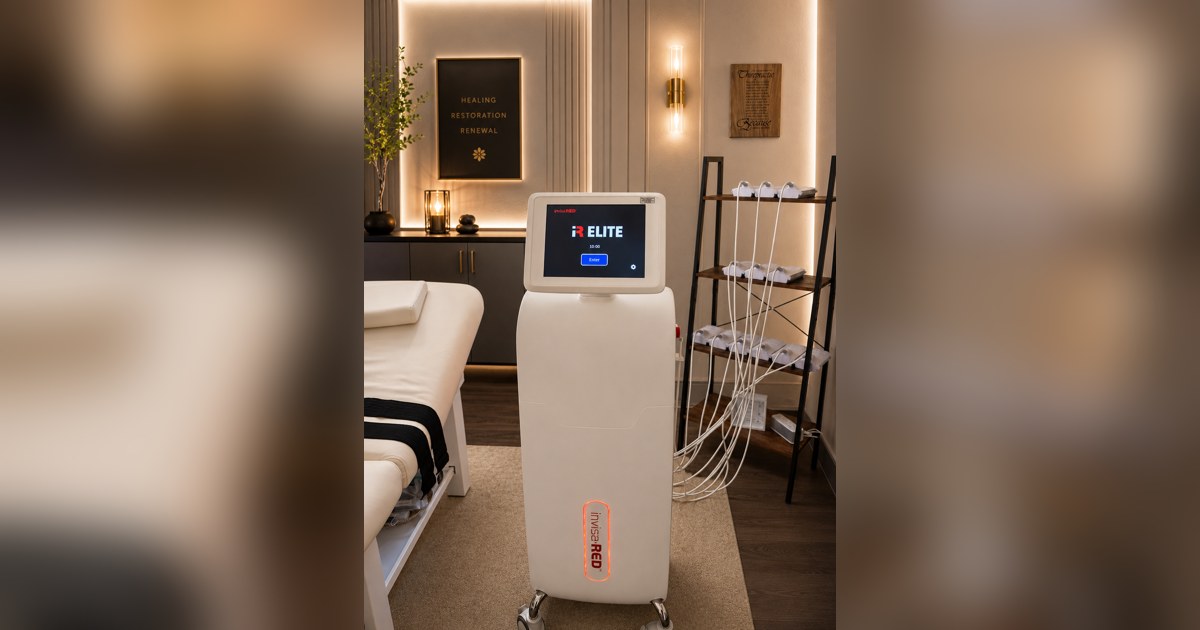
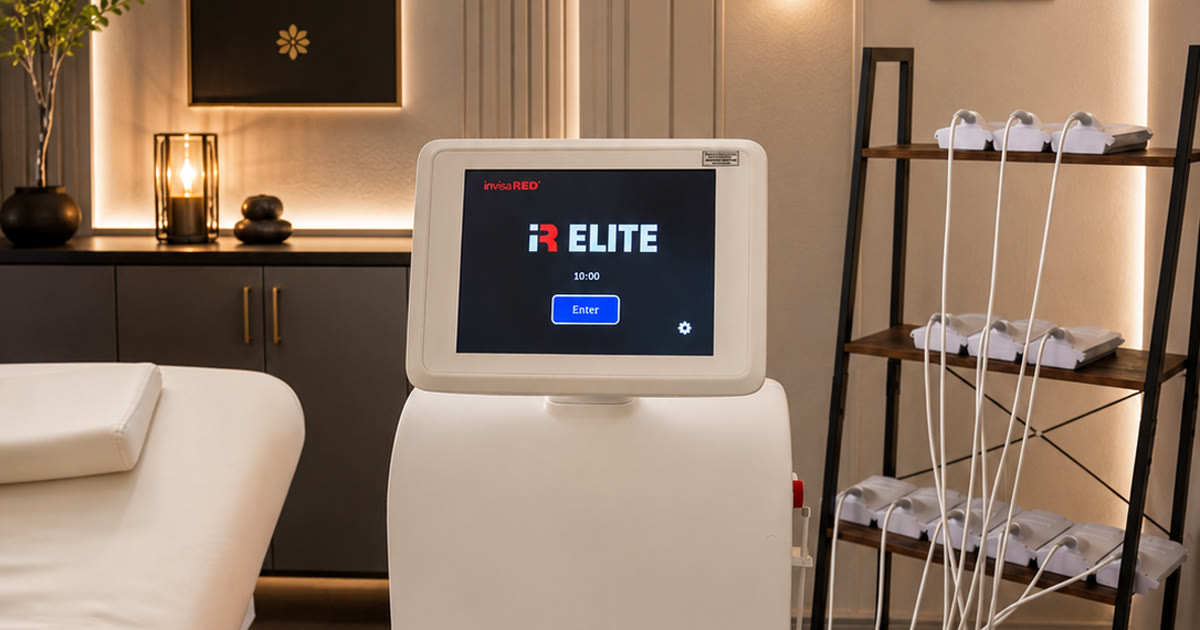
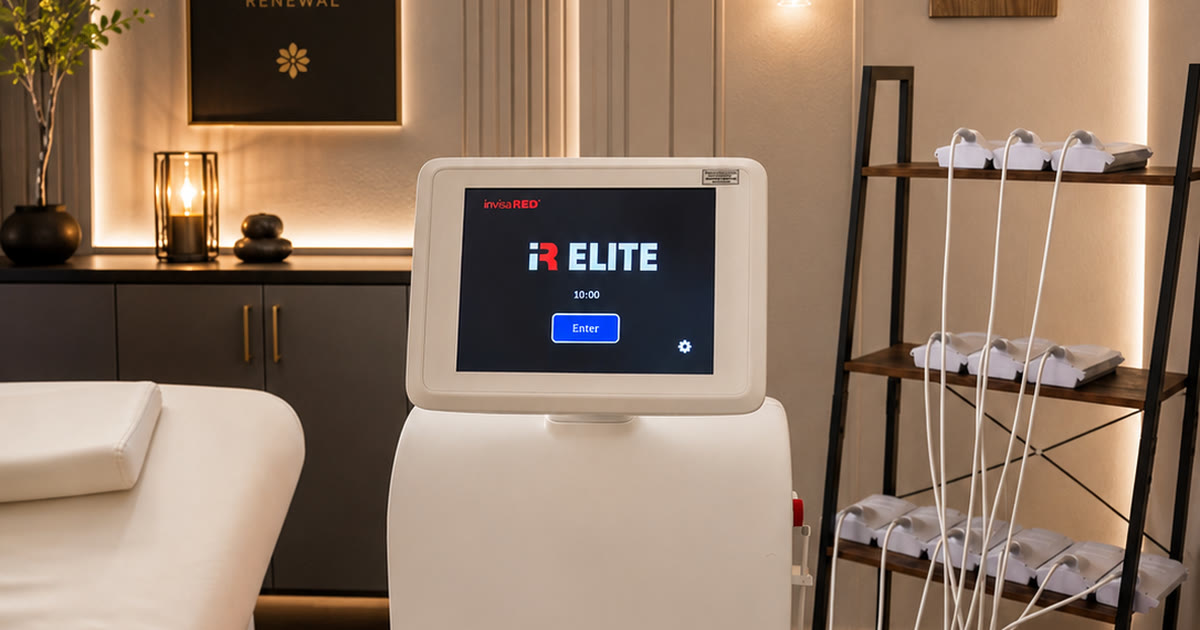
This is the category we work in, and it is the one I chose after looking at all five.
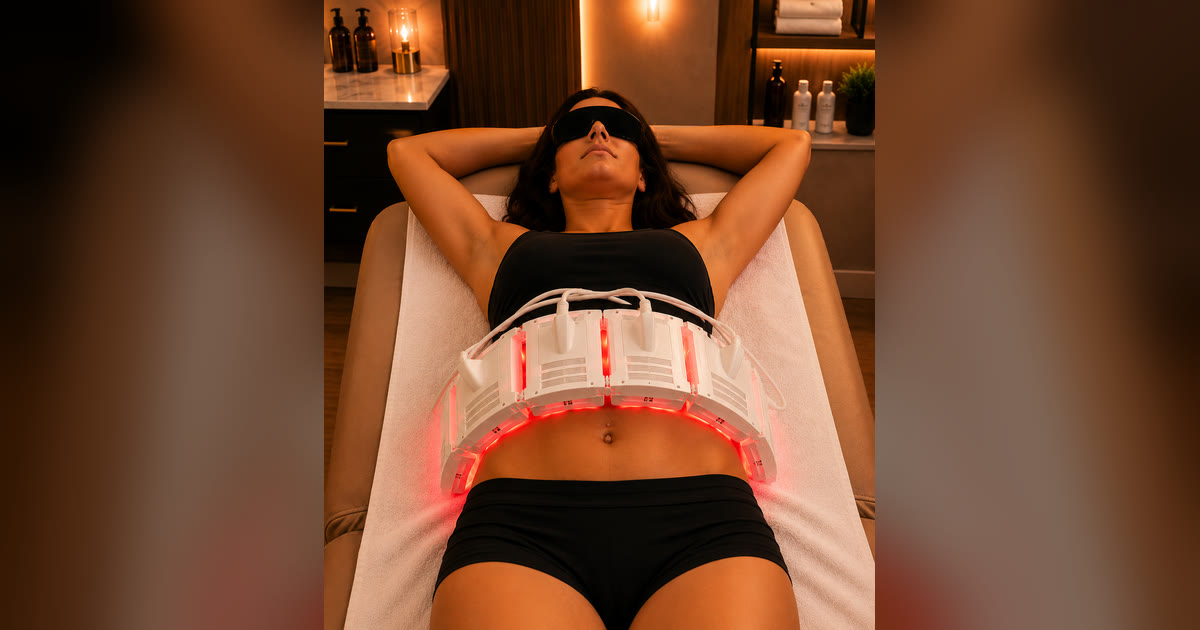
Low-level laser therapy for circumference reduction received FDA clearance in 2010, and it was the first noninvasive device cleared for reducing the waist, hips and thighs (Alizadeh et al., 2016). The mechanism is fundamentally different from cold or heat. The light is absorbed by fat cells and triggers the cell membrane to open temporary pores. The cell releases its stored contents, triglycerides, free fatty acids and glycerol, into the surrounding space and shrinks. Your lymphatic system carries the released fat into circulation, where your body burns it as fuel. Nothing is destroyed, and treatment does not raise tissue temperature (how red light body contouring works walks through this in detail).
What the trials found:
- In the original double-blind, sham-controlled trial, 67 adults with a BMI of 25 to 30 had six sessions over two weeks. 21 of 35 in the treated group reached a combined three-inch reduction, compared with 2 of 32 in the sham group (Jackson et al., 2009).
- A six-week protocol in 54 adults with a BMI of 25 to 40 reported a mean combined reduction of 5.4 inches at six weeks, 6.2 inches two weeks later, 81% satisfaction, and no adverse events (JCAD, 2016).
- A Mayo Clinic randomized pilot recorded about 2 inches off the waist at six weeks in the twice-weekly group, along with reductions in body weight, BMI and fat mass (Croghan et al., 2019).
- A 2025 systematic review of the randomized trials found waist circumference reduced by 2.48 cm versus 0.64 cm in controls, with improvements sustained at follow-up (Lasers in Medical Science, 2025).
Why We Chose Light
The fat your cells release does not disappear on its own. Your body has to metabolize it, and that is where the energy math gets interesting. InvisaRED reports that a single session can trigger a metabolic response equivalent to burning up to roughly 2,000 calories, and that your metabolism stays elevated for up to 72 hours afterward. That is why we tell patients to take a walk after a session and stay hydrated: you are giving your body the signal to use what was just released as fuel. Done one to three times a week over a series, that is a meaningful push toward both inch loss and weight loss. None of the other four categories reports anything like it. Individual results may vary.
Light also goes where the fat is. If you have ever done everything right and still had one area that would not budge, you already understand why InvisaRED exists. The belly, the love handles, the inner and outer thighs, the back of the arms, the bra line, under the chin: these are the areas the body holds onto hardest, and they are the areas InvisaRED is designed to target directly. A nutrition plan pulls fat from everywhere at once, and it tends to come off those spots last. InvisaRED lets us put the light exactly where you want the change, and unlike a suction applicator, a flexible pad can rest on any of them.
Here is the case in one list:
- No cell destruction. No inflammation, no dead tissue to clear, no PAH risk.
- A metabolic effect that continues after you leave, reported by the manufacturer at up to ~2,000 calories per session.
- Any area a pad can rest on, not just pinchable pockets.
- Comfortable. Warm, painless, no downtime; most patients read or nap.
- Fast feedback. Many patients notice their clothes fitting differently within the first few sessions, and we measure every visit.
- $59 to try, including consultation, measurements and a full treatment.
If you want to know more about the safety side, is red light body contouring safe? goes through who should not have it.
Side-by-Side: How the Options Compare
| Option | Mechanism | Typical visits | When changes show | Main tradeoff |
|---|---|---|---|---|
| Cryolipolysis | Cold, designed to kill fat cells | 1–2 per area | 2–4 months | Small risk of PAH, which may need surgery to correct |
| Radiofrequency / HIFU | Heat or focused ultrasound | Several, device-dependent | Weeks to months | Warmth or discomfort; results vary by device |
| HIFEM | Magnetic muscle contractions | A short series | Weeks to months | Muscle-focused; evidence mostly from small studies |
| Deoxycholic acid | Injected drug, destroys fat cells | A few treatments | Weeks to months | Approved only for under the chin; swelling |
| Red light / low-level laser (InvisaRED) | Light prompts fat cells to release stored fat; body burns it | 6–12 over 4–6 weeks | Measured weekly; often noticed within the first few sessions | Comfortable, no downtime, metabolic effect; results maintained with movement and hydration |
Who Non-Surgical Body Contouring Is For
InvisaRED is a good fit for a wide range of people: someone 10 to 20 pounds from their goal with a stubborn midsection, someone starting a weight loss program who wants to see results fast enough to stay motivated, someone already on a medical weight management program who wants to target the areas the medication is leaving behind, and someone who simply wants a smaller waist without surgery, needles or recovery time. The published red light trials enrolled adults with a BMI from 25 up to 40, so this is not a service only for people who are already thin. We screen everyone first and measure before we start so you can see your own numbers move.
Some of our best results come from combining InvisaRED with our doctor-supervised weight loss program. The medical side helps regulate appetite and supports your metabolism across the whole body. InvisaRED targets the specific areas you want to shrink and gives your metabolism an extra push after every session. Patients tell us the combination keeps them motivated, because they see their waistline changing while the scale catches up. I explain the inches-first pattern in how InvisaRED helps you lose inches and pounds.
Across every category, you should talk with your physician first if:
- you are pregnant, or you have an active cancer, an implanted electronic device or another condition your physician has asked you to be careful with
- you are expecting a result like surgery, in which case a board-certified plastic surgeon is the right conversation
How to Choose a Body Contouring Provider in Prince George's County
Whichever technology you pick, these questions will tell you a lot about any provider in Bowie or elsewhere in Prince George's County:
- "What exactly does your device do to the tissue?" You should get a specific answer, not "it melts fat."
- "How will you measure my result?" Look for tape measurements, photos in consistent conditions, or imaging. The mirror alone is not enough.
- "What is the most common side effect, and how often does it happen?" A good provider answers this without hesitating.
- "Who is not a good candidate?" If the answer is "everyone is," be cautious.
- "What happens after the series ends?" Results from every category depend on what you do afterward.
Measurement matters most: we tape-measure at every visit, because a single measurement varies from day to day. How many red light body contouring sessions explains why spacing and consistent measurement make such a difference.
What Red Light Body Contouring Looks Like at Total Wellness in Bowie, MD
Our office is on Laurel Bowie Road. That is an easy drive for patients coming from Crofton, Mitchellville, Glenn Dale, Upper Marlboro, Lanham and Largo, as well as Bowie itself. The InvisaRED service page has full details. In short:
- Screening first. We go through your health history and the short list of reasons to hold off before anything else.
- Baseline measurements. Tape measurements and photos are taken under the same conditions every time, so you can watch your own numbers move.
- Treatment. The pads are placed directly on the target areas. Most people relax, read or scroll their phone for about 20 minutes, then take a walk to burn what the light released.
- A planned series. Most plans run six to twelve sessions over four to six weeks, based on your starting measurements and goals. We re-measure at every visit, so the plan can respond to what the tape shows.
Many patients combine sessions with chiropractic care or StemWave therapy visits they already have scheduled, which makes the series easier to finish. If this is your first time, what to expect at your first InvisaRED session walks through that visit step by step. If you are still weighing cold against light, InvisaRED vs CoolSculpting compares the two directly.
InvisaRED is $59 first session, which includes your screening, baseline measurements and a full treatment. Individual results may vary.
Frequently Asked Questions
What non-surgical body contouring options are available in Bowie, MD?
Across Bowie and Prince George's County you will generally find five families of treatment: cold (cryolipolysis), heat (radiofrequency and focused ultrasound), magnetic muscle stimulation (HIFEM), injectable deoxycholic acid for the area under the chin, and light-based options such as red light body contouring. At Total Wellness in Bowie, we offer red light body contouring with the InvisaRED system.
Which non-surgical body contouring option works best?
Every category produces measurable circumference reduction, so the decision comes down to comfort, downtime, risk, the areas you want to treat and whether you want a metabolic effect. For fat loss across multiple areas with no discomfort and no downtime, red light body contouring with InvisaRED is our choice. For muscle tone specifically, HIFEM is worth a look.
Is non-surgical body contouring permanent?
Results from every category last as long as you maintain them. Fat-destroying methods remove cells from the treated area, but the remaining cells can still grow. With InvisaRED, the shrunken cells stay small as long as you keep moving and eating reasonably, and many patients book a maintenance session once or twice a month. Individual results may vary.
Can body contouring help me lose weight?
Red light body contouring can. Unlike cold or heat methods that destroy a fixed pocket of cells, InvisaRED releases stored fat your body then burns, with a metabolic effect the manufacturer estimates at up to ~2,000 calories per session and elevated metabolism for up to 72 hours. We run it as part of our doctor-supervised weight loss program. Most patients see inches come off first, then the scale follows. Individual results may vary.
What is paradoxical adipose hyperplasia?
It is an uncommon complication of cryolipolysis in which the treated fat grows instead of shrinking. It usually shows up weeks to months after treatment, and correcting it generally requires surgery. The medical literature describes it as a complication of cryolipolysis specifically. Red light body contouring works differently and does not use cold or suction.
How much does the first InvisaRED session cost in Bowie?
The $59 first session includes screening, baseline measurements and a full InvisaRED treatment. Individual results may vary.
Ready to See the Inches Come Off?
Of the five options available in Bowie, one shrinks fat cells without destroying anything, supports your metabolism for days afterward, works on any area a pad can reach, feels like a warm nap, and costs $59 to try. That is why we chose InvisaRED, and it is why most of the people who compare the options in my office choose it too.
Your first InvisaRED session is $59, and it includes your consultation, baseline measurements and a full treatment, so you can feel the difference before you commit to a series. Most people are in and out in about an hour, and back to their day with nothing to recover from.
Book online at wherethehealingbegins.com or call (301) 352-3454. You can also see the conditions we see if you want to combine body contouring with other care.
Total Wellness Chiropractic · 6000 Laurel Bowie Road, Suite 202, Bowie, MD 20715 · (301) 352-3454. We serve Bowie and Prince George's County.
Sources
- Alizadeh Z, Halabchi F, Mazaheri R, Abolhasani M, Tabesh M. Review of the Mechanisms and Effects of Noninvasive Body Contouring Devices on Cellulite and Subcutaneous Fat. Int J Endocrinol Metab. 2016;14(4):e36727. doi:10.5812/ijem.36727
- Franzoni D, Goldman JJ. Paradoxical Adipose Hyperplasia. StatPearls [Internet], updated 2024 Aug 27. NCBI Bookshelf NBK606530
- Kinney BM, Lozanova P. High intensity focused electromagnetic therapy evaluated by magnetic resonance imaging: safety and efficacy study of a dual tissue effect based non-invasive abdominal body shaping. Lasers Surg Med. 2019;51(1):40-46. PubMed 30302767
- Hedayati B, Juhász M, Chu S, Mesinkovska NA. Adverse Events Associated With Cryolipolysis: A Systematic Review of the Literature. Dermatol Surg. 2020;46 Suppl 1:S8-S13. PubMed 32976167
- US Food and Drug Administration. Kybella (deoxycholic acid) injection prescribing information, 2015. FDA label
- Jackson RF, et al. Low-level laser therapy as a non-invasive approach for body contouring: a randomized, controlled study. Lasers Surg Med. 2009. PubMed 20014253
- A six-week low-level laser therapy protocol is effective for reducing waist, hip, thigh, and upper abdomen circumference. J Clin Aesthet Dermatol. 2016. JCAD
- Croghan IT, et al. Low-level laser therapy for weight reduction: a randomized pilot study. Lasers Med Sci. 2020;35:663-675. PubMed 31473867
- Systematic review of low-level laser therapy for body contouring. Lasers Med Sci. 2025;40:534. doi:10.1007/s10103-025-04755-7
This article is for educational purposes only and is not medical advice. InvisaRED is an FDA-cleared, non-invasive red light body contouring system used at Total Wellness Chiropractic as part of our weight loss and body contouring program. It is not intended to diagnose, treat, cure, or prevent any disease. Descriptions of other body contouring technologies are general and educational; they are not an endorsement or a criticism of any specific provider or product. The clinical trials cited studied 635 nm low-level laser devices; calorie and metabolism figures are reported by the manufacturer. Individual results may vary. Talk with your physician before beginning any new program, particularly if you are pregnant, have a history of cancer, take photosensitizing medications, or have an implanted medical device.