Short answer: Does laser body contouring hurt? InvisaRED is a non-invasive laser procedure, but I would not promise a pain-free experience or zero side effects. The FDA-filed study summary for the invisa-RED ELITE reported no adverse effects or complications among 40 participants; that is not proof that every session will feel the same. Tell your clinician immediately if a session feels painful or too hot.
Does laser body contouring hurt, and what can the evidence tell us?
If discomfort is your main concern, I want you to ask about it before deciding on a procedure. You should know what is planned, what sensations to report and who will respond if something does not feel right. An elective cosmetic appointment should not depend on pushing through pain.
The original FDA clearance documents for invisa-RED ELITE, numbered K192275, describe a randomized, double-blind study of 40 people: 35 women and five men. The submitted summary reports no adverse effects or complications related to the sessions. It does not provide a detailed pain-score table or prove that pain cannot occur.
That distinction matters. A small study may miss uncommon problems. The summary was submitted by the device sponsor and is not a complete independent review of every possible outcome. It also cannot establish how someone with a different medical history will respond or how long every cosmetic change will last. I would rather explain those limits than turn “none reported in this study” into “nothing can go wrong.”
Which laser does the FDA document actually describe?
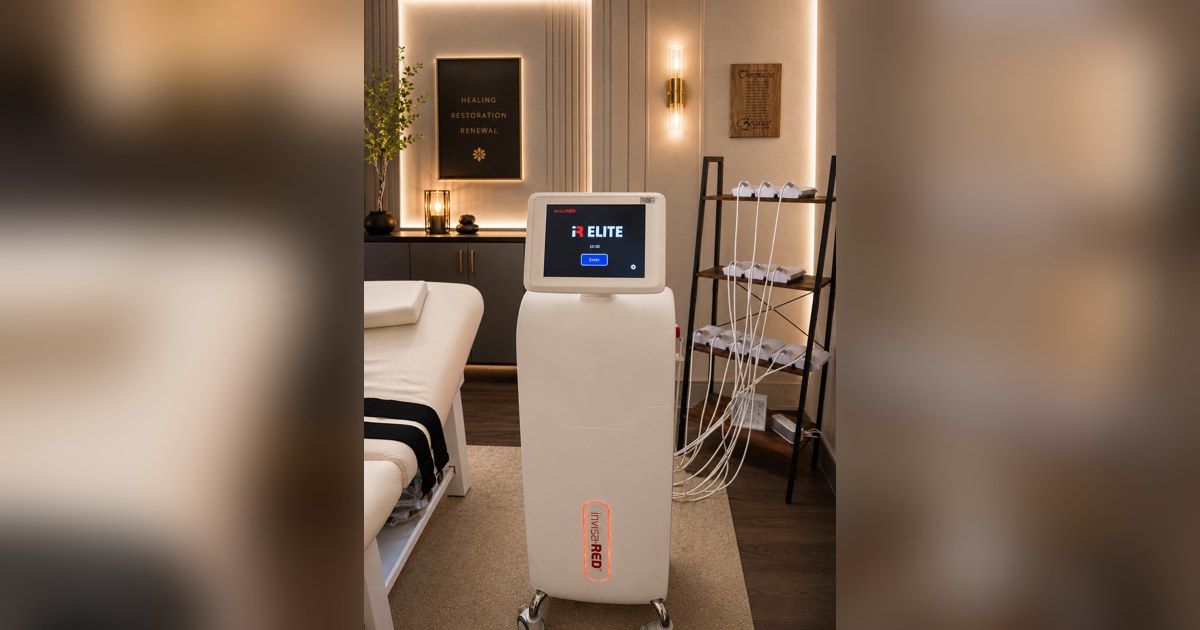
The device in K192275 is the invisa-RED ELITE from IR Technology LLC. Its device description lists 680 nm and 980 nm laser diodes, rather than a generic wavelength for every cosmetic laser. These details matter because results from one device do not automatically apply to another.
Total Wellness uses the invisa-RED ELITE. That is the model in our office. Naming the model does not supply the current instructions, the session settings, or a required sensation, so I will not guess those here. A brand name alone is not enough to establish that two machines have the same settings, output or cleared use.
The FDA indication is narrow: non-invasive aesthetic use for the temporary reduction of the circumference of the waist, hips and thighs, through photobiomodulation affecting fat cells and the release of lipids. K192275 does not list cellulite or arms in that indication. It is a clearance for a particular device and use, not a promise about a person's results.
I also would not borrow a pain-free claim from a study of another wavelength or body area and present it as proof about this device. Similar marketing language is not a substitute for checking the actual equipment.
What should you expect before and during a session?
The first step is a screening conversation, not turning on a machine. Bring your medication and supplement list and mention previous procedures or ongoing skin concerns in the area. Ask the clinician to explain the plan and give you a clear way to stop the session.
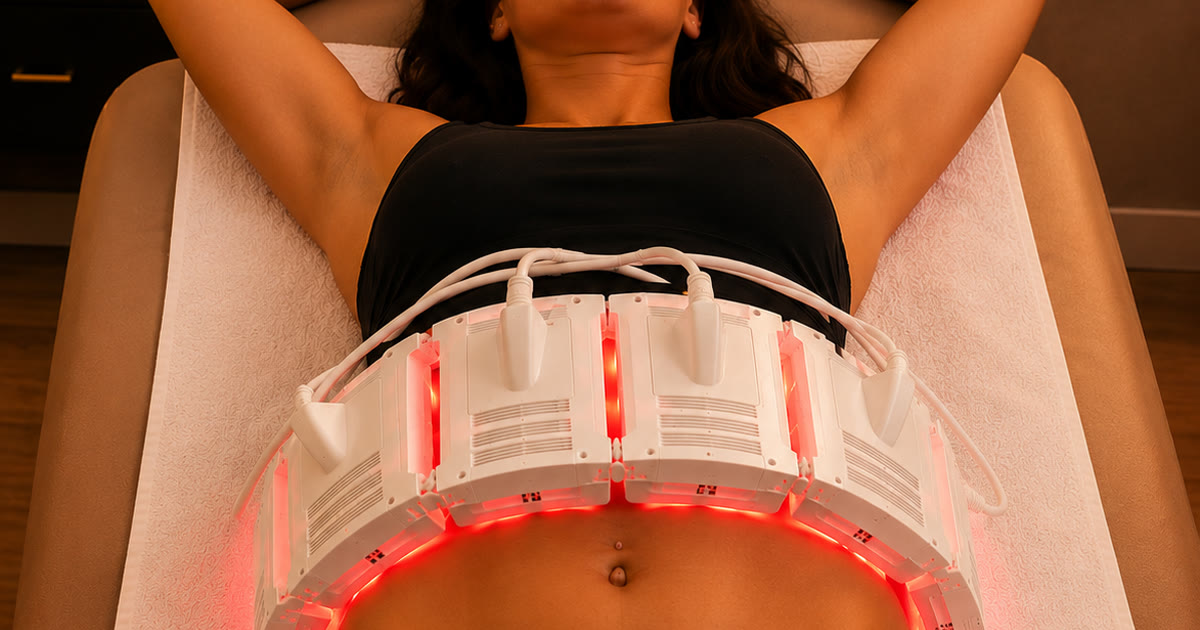
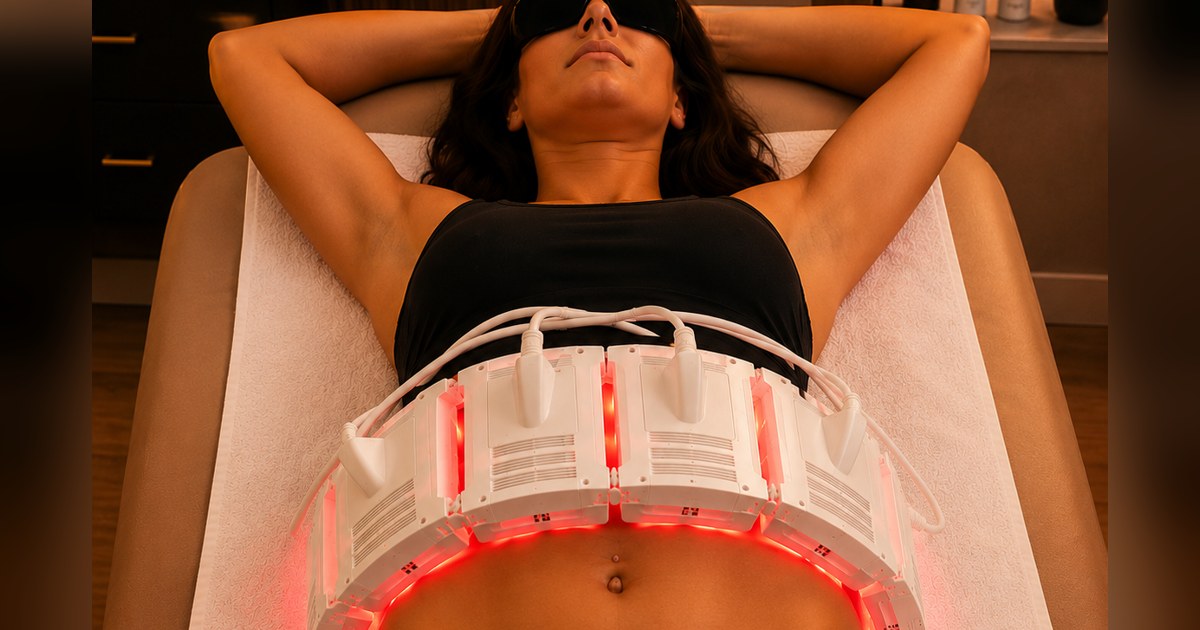
The FDA device description says laser paddles are positioned over exposed skin. It also describes a raised lip that creates an air gap between the paddle face and skin. That is more precise than saying that the entire laser surface simply rests against your body.
Do not judge safety by how much you feel. A stronger sensation does not mean a better cosmetic effect, and feeling very little does not establish that a session is right for you. If you notice discomfort, ask the clinician to assess it rather than assuming it is expected.
Useful questions include:
- Which device model will be used, and for which area?
- What sensations should I report immediately?
- What protective eyewear and other precautions are required?
- How will the clinician check my skin and comfort?
- What should I do if symptoms develop after I leave?
I have left exact appointment length out of this article. Intake, screening and the planned procedure affect timing; ask the office how much time to allow rather than planning around a generic online estimate.
How should you describe discomfort without guessing what it means?
Comfort is personal, so I would start with your own words rather than a rating someone else chose. Tell the clinician where you feel a sensation, when it started and whether it is changing. “Pressure near the edge,” “itching in one spot” or “this is getting hotter” gives more useful information than trying to decide whether you are supposed to tolerate it.
Ask before the appointment whether you can change position or pause if lying still bothers your back or hips. That is a practical question about comfort, not evidence that the laser itself is causing a problem. The clinician can explain what positioning is suitable for the planned session. Do not move equipment or adjust settings yourself.
I would also separate three questions: how the session feels while it is happening, how you feel later, and whether the cosmetic effect is worth pursuing. An easy session does not prove a better result. A stronger sensation is not a reason to expect a larger change in circumference.
When should a session pause, and where can you read about safety?
Tell the clinician immediately about pain, excessive heat, skin changes or feeling unwell. Ask for a pause and assessment rather than trying to finish a session because you have already started it. Afterward, contact the clinician promptly for blistering, worsening pain or a persistent skin reaction. New vision changes need urgent medical assessment. Severe symptoms such as trouble breathing or chest pain warrant emergency care.
For the broader discussion of eligibility, medication screening, eye protection and potential complications, see our body-contouring safety overview and ask the clinician to confirm the current device instructions. This article focuses on communicating sensations and comfort questions, rather than duplicating a full safety FAQ. The existing overview includes research about other devices, and its short pain answer is not a promise about this laser. It should not replace the instructions for the actual equipment used.
The FDA's consumer guide to non-invasive body contouring discusses limits across these technologies. It says results may be temporary and that not everyone gets the effect they want. That page is not a measured pain rate for the ELITE laser. An online description of a comfortable experience should never replace screening or clinical advice.
What if your main goal is health rather than cosmetic contouring?
A comfortable cosmetic appointment is not the same as a health benefit. The FDA explains that non-invasive body contouring does not provide the health benefits associated with reducing body weight. Results may be temporary, and not everyone gets the effect they want.
MedlinePlus describes the health risks of obesity, including higher risks of diabetes and heart disease. It also notes that BMI is a screening tool, not a diagnosis. A cosmetic tape measurement should not replace a medical assessment.
If health or weight management is your main concern, I would suggest a medical evaluation and an individualized nutrition and movement plan, not laser contouring as the answer. Our body contouring versus weight management overview discusses inches and weight in more detail. The point here is the one above: a cosmetic circumference procedure is not a health plan. Choosing no cosmetic procedure is also an option.
Frequently Asked Questions
Can you promise that InvisaRED will not hurt?
No. The FDA-filed ELITE study summary reports no adverse effects or complications in its small study population. It does not establish that discomfort is impossible. Speak up immediately if something feels wrong.
What should I say if the sensation changes during a session?
Describe the location and the change as soon as you notice it. Tell the clinician if a sensation becomes painful or too hot. Do not wait for the end of an appointment to ask for an assessment.
Will I need time off afterward?
Ask the clinician what is appropriate for your plan and health history. Non-invasive does not mean risk-free, and you should not ignore symptoms because you expected to return to normal activity.
What should I bring to the first appointment?
Bring a medication and supplement list and be ready to discuss relevant health history privately with clinical staff. Our first-session overview provides background; confirm the current protocol with the office.
What does the first session cost?
Total Wellness quotes $59 first session. Ask the office to confirm what is included and whether screening supports proceeding. You do not need to choose a longer plan just to ask questions.
Can I ask to stop even if I am just uncomfortable lying still?
Yes. Explain what is bothering you and ask the clinician to pause and review your position or the plan. Do not adjust the equipment yourself. You should not feel pressured to continue an elective procedure.
What should people in Bowie, MD ask before booking?
For people in Bowie and Prince George's County, including Crofton, Mitchellville, Glenn Dale and Upper Marlboro, I suggest starting with a conversation about goals and safety. Ask the office to confirm the device model, who performs the procedure and what follow-up is available if a concern develops.
You can review our services and request an appointment. A conversation does not commit you to a procedure. Individual results may vary.
Total Wellness Chiropractic
6000 Laurel Bowie Road, Suite 202
Bowie, MD 20715
(301) 352-3454
Ask about the $59 first session
This article is educational and is not personal medical advice. Laser body contouring is a cosmetic procedure, not a substitute for medical evaluation or a health-management plan. Device-specific statements here refer to the invisa-RED ELITE installed at Total Wellness and described in FDA K192275. Confirm the current instructions with the clinician. Individual results may vary.
Sources
- FDA, K192275 clearance letter, Indications for Use and 510(k) summary. Clearance letter dated August 19, 2020. Read November 7, 2026.
- FDA, Non-Invasive Body Contouring Technologies. Category limits on temporary results and health benefits; read November 7, 2026. Not a measured pain rate for this laser.
- MedlinePlus, Health risks of obesity. Reviewed July 3, 2025; read November 7, 2026.