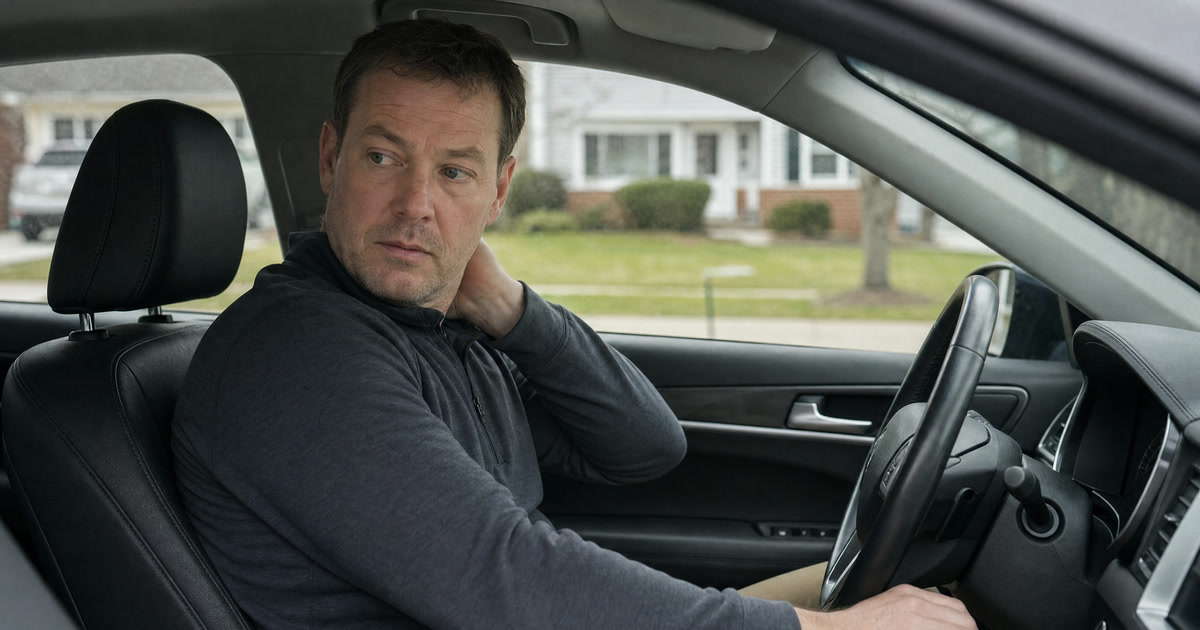
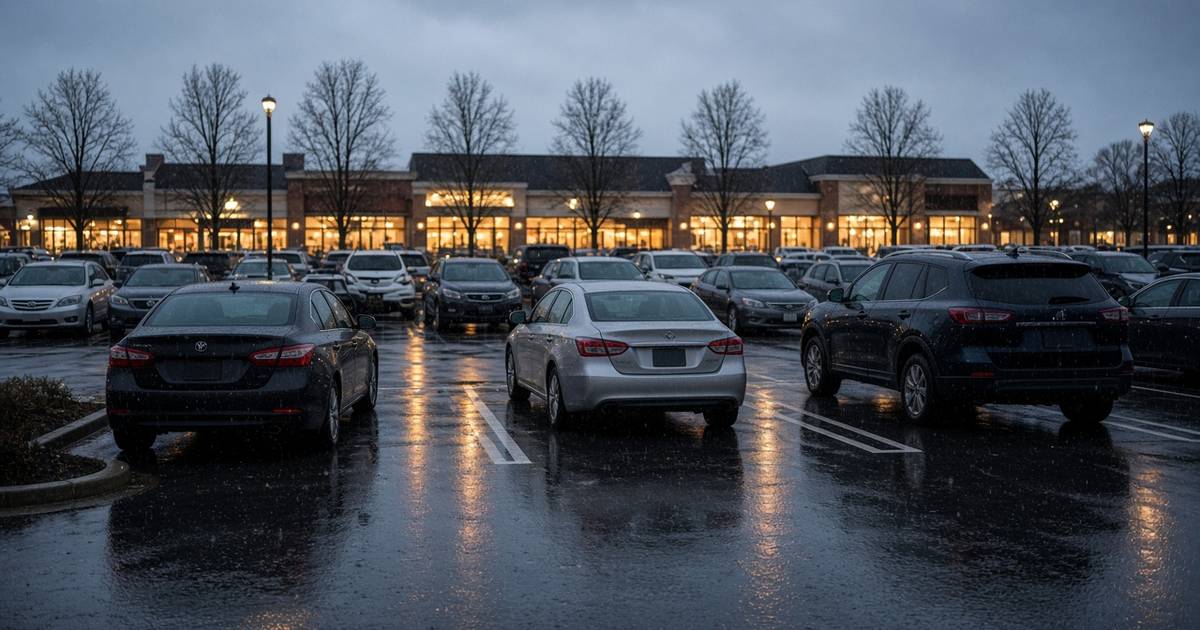
This time of year, I hear a lot of the same story: a slow bump in a crowded parking lot, a tap at a light on MD-197, or a stop-and-go nudge on US-50 on the way to see family. The cars look fine, everyone says they are okay, and then the next morning your neck feels stiff. If you are wondering whether a low speed car accident injury is real or "all in your head," this post is for you.
Short answer: Yes, a low-speed collision can leave you sore, most often with neck or upper-back strain that shows up later that day or the next morning. Most people with this kind of strain improve with sensible self-care and time, and more serious injuries are uncommon at very low speeds. If you are hurting, stiff, or getting headaches after a fender bender, a short exam is a good way to find out what is going on and what will help you feel better faster.
Can a low speed car accident injury happen even if the car looks fine?
It can. Your car and your neck are built very differently. Bumpers are designed to absorb a bump without showing much damage, while your head sits on a flexible neck that moves quickly when the car stops or lurches. That quick motion can strain the muscles, joints, and ligaments of the neck and upper back, which is what most people mean when they say "whiplash." MedlinePlus describes whiplash as a soft tissue injury to the neck, also called a neck sprain or strain, and lists car accidents as a common cause of neck pain.
So the condition of the car is not a reliable way to judge how your body feels. The better guide is what you notice over the next day or two.
At the same time, I want you to have a realistic picture. A large review of low-speed rear-impact studies, which combined dozens of volunteer experiments with real-world crash data, found that neck soreness was the main complaint at these speeds and that more serious neck injury was rare. In plain terms: being sore after a small crash is common and worth taking care of, and it usually is not a sign of something dangerous.
What does soreness after a minor crash usually feel like?
Most people describe some mix of the following:
- A stiff neck, especially turning your head to check a blind spot
- Tight, achy muscles across the tops of the shoulders or between the shoulder blades
- A headache that seems to start at the base of the skull
- Feeling "fine" at the scene and noticeably stiffer the next morning
- Mild soreness in the lower back or where the seat belt crossed your chest or hips
Delayed soreness is very normal. Adrenaline and the stress of the moment can mask discomfort for hours. Our guide to delayed whiplash symptoms explains why symptoms often show up a day or two later.
When should you go to the ER instead of waiting?
Most fender benders do not need an emergency visit, but some symptoms always do. Call 911 or go to the emergency department if you have:
- Severe neck pain, or pain after a hard blow to the head
- Numbness, tingling, or weakness in an arm or leg, or you cannot move an arm or hand
- Confusion, fainting, repeated vomiting, or a headache that keeps getting worse
- Trouble swallowing or breathing
- Loss of bladder or bowel control, or trouble walking and balancing
If you are unsure where to start, our post on ER or chiropractor after a car accident walks through that decision step by step.
What can you do at home in the first few days?
For ordinary soreness without any warning signs, simple steps go a long way:
- Ice first, then heat. MedlinePlus suggests ice for the first 48 to 72 hours, then heat after that, such as a warm shower or a heating pad. Never fall asleep on a heating pad or ice pack.
- Keep moving gently. Slow range-of-motion movements, up and down and side to side, help keep the neck from locking up.
- Ease off hard activity for a few days. Skip heavy lifting and intense workouts while things calm down.
- Support your neck at night. A pillow that keeps your head level with your spine is usually more comfortable.
- Write it down. Note when the soreness started, where it is, and what makes it better or worse. That record is useful at an exam.
MedlinePlus also recommends checking in with a provider if neck pain started after a fall, blow, or injury, or if symptoms are not improving after about a week of self-care.
Should I see a chiropractor after a fender bender?
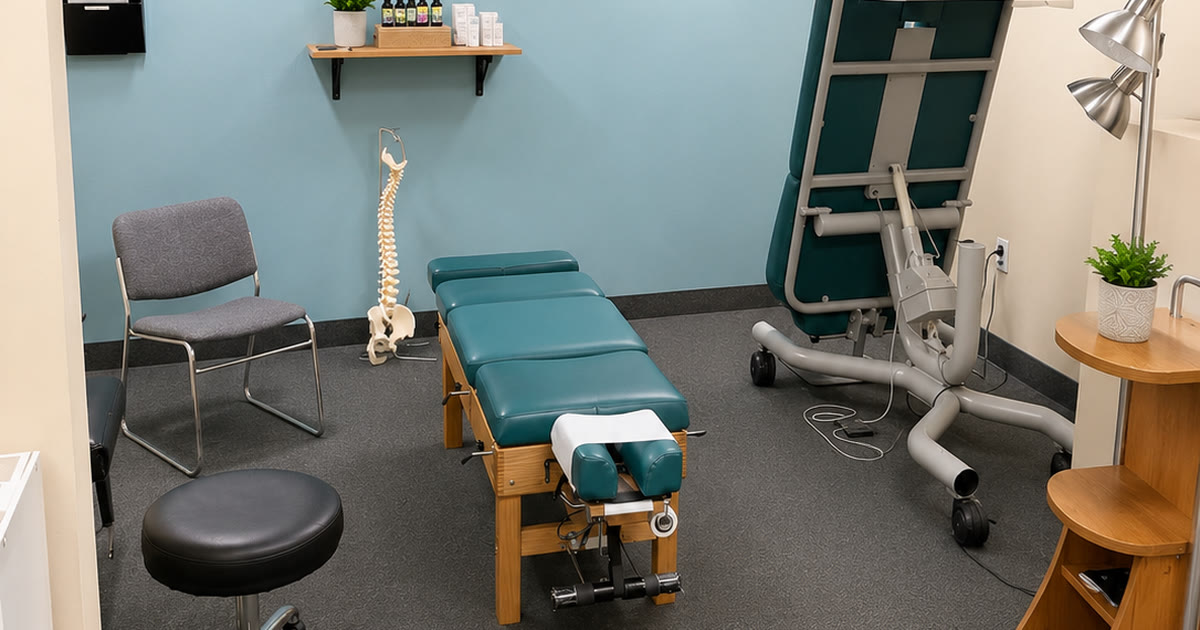
If you are sore, stiff, or getting headaches after a minor crash, a chiropractic exam is a practical next step once any emergency concerns are ruled out. You do not need to be in severe pain to come in. Many people are glad they did because they learn exactly what is strained and what they can do about it.
At a first visit, I start with a conversation about the crash: where you were sitting, whether you were turned or looking forward, and how your symptoms have changed since. Then I check how your neck and back move, where the tender spots are, your strength and reflexes, and whether anything points to a different problem that needs imaging or a referral. From there, we talk through a plan that may include gentle adjustments, soft tissue work, and simple exercises to get you moving comfortably again.
If you felt fine at first and are second-guessing whether it is worth a visit, our post on no pain after a car accident covers that question. For rear-end bumps specifically, see should I see a chiropractor after a rear-end collision.
Does a small crash still matter for insurance?
It can. In Maryland, auto policies often include personal injury protection, and many people use it for care after a crash, even a minor one. Coverage details depend on your policy, so it is worth calling your insurer. Our Maryland PIP guide explains the basics, and our team can help you understand the paperwork side of a visit. Questions about fault or a claim are best answered by your insurer or an attorney.
Low-speed collisions in Bowie and Prince George's County
The busy stretches around Bowie see plenty of slow-speed bumps, especially during the holidays: shopping-center lots, the merges onto US-50 and US-301, the lights along MD-197 and MD-450, and the stop-and-go on Route 214 and MD-3. I see patients from Bowie, Crofton, Mitchellville, Glenn Dale, Upper Marlboro, Lanham, and Largo, and from across Prince George's County. If a minor crash has left you stiff or sore, we are just off Route 197 with parking at the building.
Frequently Asked Questions
Can you get whiplash from a low-speed accident?
You can get a neck sprain or strain, which is what whiplash is. At very low speeds, soreness is the most common complaint and serious injury is uncommon. A short exam helps confirm what you are dealing with.
How long after a fender bender can neck pain start?
Often later the same day or the next morning, and sometimes a day or two later. That delay is common and does not mean the pain is less real.
How long does neck soreness after a minor crash usually last?
Many people feel noticeably better within days to a few weeks. If you are not improving after about a week, or symptoms are getting worse, it is a good time to be seen.
Do I need an X-ray after a low-speed collision?
Not usually. Imaging is generally saved for specific warning signs, such as a possible fracture or nerve problem. If your exam points in that direction, we will arrange it or refer you.
Should I see a chiropractor if I only feel a little stiff?
You can. A quick exam can give you peace of mind, a clear self-care plan, and a record of how you felt soon after the crash.
What should I bring to my first visit?
Bring your ID, your auto insurance information, any claim number, and notes about when your symptoms started. If you went to urgent care or the ER, bring any discharge papers.
Visit Total Wellness Chiropractic in Bowie
Total Wellness Chiropractic 6000 Laurel Bowie Road, Suite 202 Bowie, MD 20715 (301) 352-3454
Individual results may vary. This post is for general information and is not medical or legal advice. If you have severe pain, numbness, weakness, confusion, or trouble breathing after a crash, call 911 or go to the nearest emergency department.
Sources
- MedlinePlus. Neck Injuries and Disorders. https://medlineplus.gov/neckinjuriesanddisorders.html
- MedlinePlus Medical Encyclopedia. Neck pain. https://medlineplus.gov/ency/article/003025.htm
- Cormier J, Gwin L, Reinhart L, Wood R, Bain C. A Comprehensive Review of Low-Speed Rear Impact Volunteer Studies and a Comparison to Real-World Outcomes. Spine. 2018;43(18):1250-1258. PubMed: https://pubmed.ncbi.nlm.nih.gov/29489567/