
Short answer: How soon does shockwave therapy work? Some people notice the area feels a little easier after the first session or in the next day or two, but the more meaningful change is often gradual and can take several weeks. A Mayo Clinic sports medicine physician has noted that more durable improvements in pain and function can take up to 8 to 12 weeks in some cases, and a Mayo Clinic Q&A on shockwave therapy for foot problems says the full effects can be seen up to 10 to 15 weeks after the final session. That is why I treat the first visit — $50 for one region or $75 for two — as a starting point, not a same-day verdict.
If you have been dealing with a stubborn heel, tendon, or joint problem, you want to know when you might feel a difference. I would rather set that expectation clearly now than leave you wondering whether the first morning after a session is supposed to tell the whole story.
How soon does shockwave therapy work in the first days and weeks?
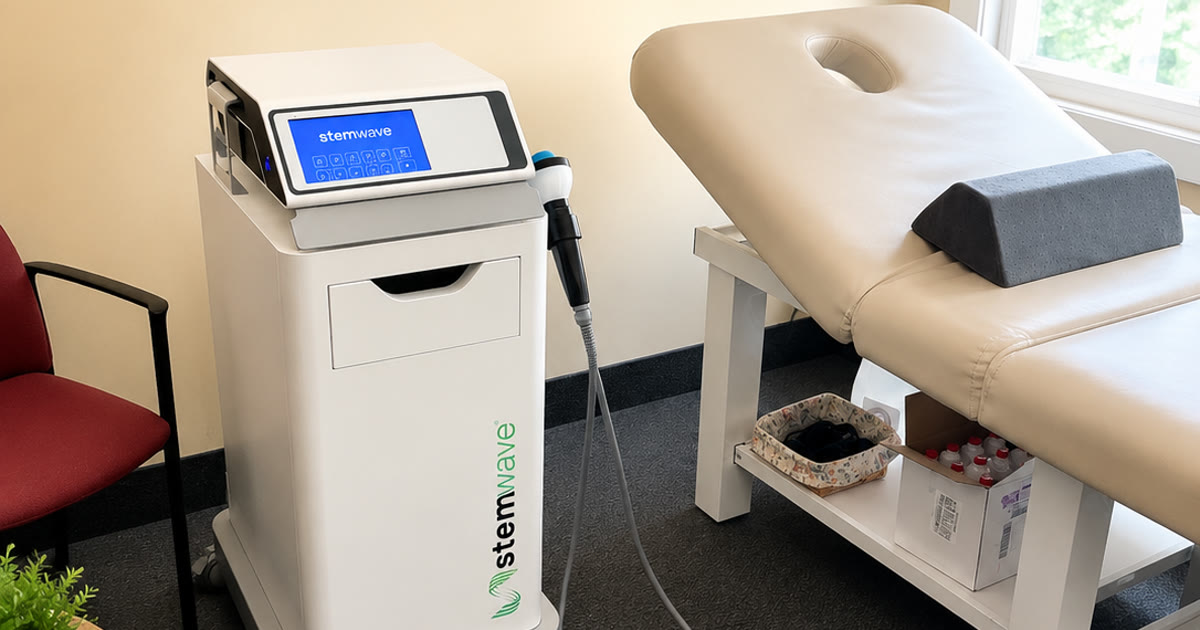
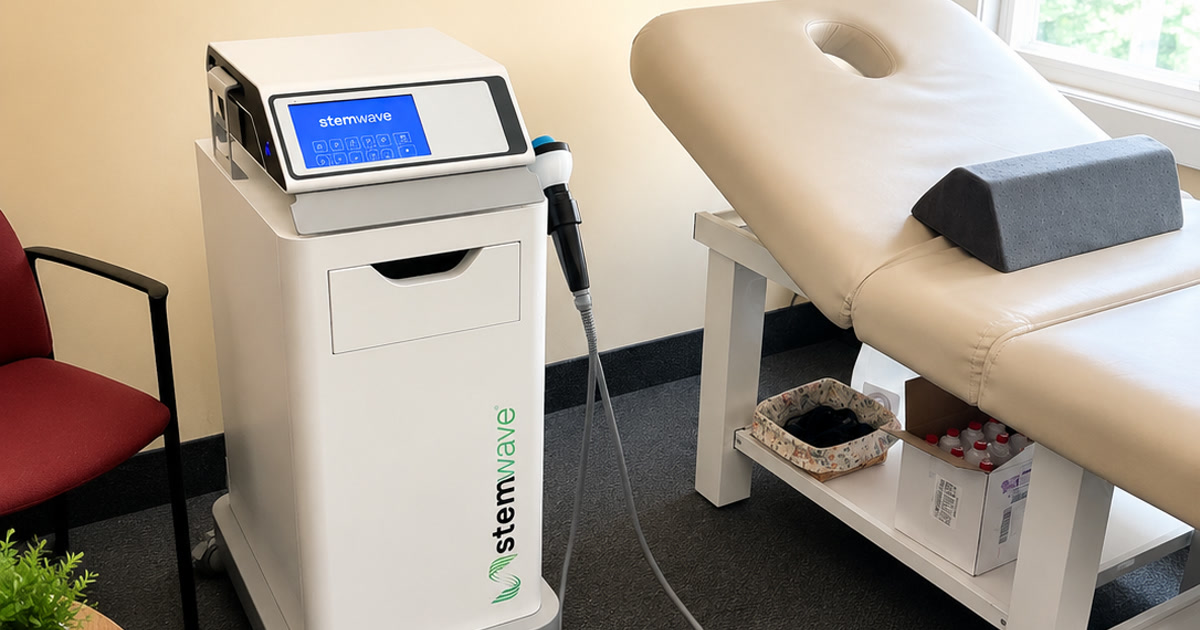
StemWave is acoustic-wave therapy designed to stimulate the body's natural healing response. That process does not always show up as a dramatic change on the way out of the office. Some people leave feeling looser or less irritable in the area. Others feel about the same, or a little sore, and wonder if anything happened.
Both of those early pictures can be normal. The more useful question is not only "How will I feel tonight?" It is "What should I watch for over the next several weeks, and how will we decide whether this is helping?"
I keep that timeline in mind when we talk after your first visit. If you want a walk-through of what the appointment itself includes, I have already written that in Shockwave Therapy in Bowie, MD: What the $50 First Session Includes. This post is about what comes after: the days and weeks in which change often builds.
What might I notice in the first day or two?
Right after a session, some people feel a short-lived quieting of the original discomfort. That early change can be encouraging, but I do not use it as the final measure of whether StemWave is a good fit. It may fade over the next day or two, and that does not mean the visit was wasted.
It is also common to feel mild soreness, warmth, or tenderness in the treated area for a day or two, a bit like the day after a hard workout. A Mayo Clinic Q&A on shockwave therapy notes that side effects are usually minor, such as slight bruising or mild swelling at the treatment site. If anything feels unusual, or the soreness is strong enough to get in the way of your day, call us. We would rather hear from you than have you guess.
If you want a closer description of the sensation during the session itself, that belongs in Does StemWave Therapy Hurt?. The short version for this timeline is simple: the first 24 to 48 hours tell us how you tolerated the visit. They do not, by themselves, tell us how the next month will go.
You can usually stay in your normal day, with some common-sense caution around the treated area. A Mayo Clinic sports medicine article on shockwave treatment notes that these procedures are noninvasive and often involve minimal to no activity restrictions afterward, which is one reason they appeal to people who do not want a long layoff. I will still give you specific guidance for your area before you leave, because a sore heel and a sore shoulder do not ask for the exact same next day.
Why is the more lasting change often gradual?
Acoustic waves are meant to support a healing response in tissue that has been irritated for a while. That kind of tissue typically changes on a slower clock than we would like. MedlinePlus makes a similar point about Achilles tendon pain in general: the main approaches often take at least two to three months for the pain to ease, and symptoms may return if the activities that caused the problem continue or if strength and flexibility are not maintained. Shockwave therapy is not a shortcut around that biology. It is one option I may use alongside a plan for load, strength, and daily habits.
That slower clock also matches what I cited above from Mayo Clinic: some people notice an earlier change in comfort, while more durable improvements in pain and function can take up to 8 to 12 weeks in some cases, and the full effects may not be clear until 10 to 15 weeks after the last session. In plain terms, I would not want you to judge the entire result on the morning after visit one.
This is also why I separate two questions that often get mixed together. "How soon will I feel a difference?" is the subject of this post. "How many visits might I need?" is a different question, and I have already answered it in How Many StemWave Sessions Do I Need?. The first is about the pace of change. The second is about the shape of a plan. They are related, but they are not the same.
How should that shape what I expect after the first visit?
The first visit is a demo visit: $50 for one region or $75 for two. The point is to examine the area, talk through whether StemWave belongs in your care, and, when it is appropriate, let you experience the therapy. It is a starting point. It is not a same-day report card, and it is not a test you pass or fail before lunch.
After that visit, here is the expectation I want you to have:
- If the area feels a little easier, that is useful information. We still watch what happens over the following days and, if we continue, over the next visits.
- If you feel sore for a day or two, that is also common. It is not, by itself, a sign of success or failure.
- If you feel about the same, it is often too soon to decide. We talk about whether another session makes sense and what we will look for next.
- If StemWave does not appear to be the right option, I will say so and help you look at a better next step.
If you do continue, we follow your function as much as your pain score: mornings, stairs, walking, reaching, or whatever task has been limited. The timeline is a guide, not a deadline.
What if I do not feel a difference right away?
Then we do not panic, and we also do not keep going just because a calendar says we should. Some people need more than one session before a change is obvious. Some people are not good candidates, and the honest answer is to stop and choose a different plan.
If you have a sudden pop in a tendon, an inability to bear weight, rapidly worsening swelling, fever, or new numbness or weakness, that is not a "wait and see" situation. Seek urgent or emergency care first. StemWave is not a substitute for that kind of evaluation. We also screen for common precautions, including a pacemaker, an active infection or tumor in the area, and pregnancy.
If the problem has simply not budged after a fair trial, I would rather re-examine you, adjust the plan, or refer you than ask you to keep waiting on a result that is not showing up.
Where can I ask about this timeline in Bowie and Prince George's County?
If you are in Bowie, Crofton, Mitchellville, Glenn Dale, Upper Marlboro, Lanham, or elsewhere in Prince George's County, you are welcome to come in and talk this through before you decide anything further. People often reach us after a workday or a commute on US-50, Laurel Bowie Road (MD-197), US-301, or Route 214. Bring your questions about timing, activity, and cost. We would rather answer them early.
Frequently Asked Questions
Will I feel better after the first session?
You might notice the area feels a little quieter, or you might not. Either way, I would not treat the first evening as the final answer. We use that first visit to see how you respond and to decide what comes next.
How long until I know if it is helping?
Give it a longer look than one night. Some change can show up in the first days, but more lasting improvement, when it happens, is often measured over weeks. We will set checkpoints with you rather than asking you to wait indefinitely.
Does feeling sore afterward mean it is working?
Not by itself. Mild soreness for a day or two is common. It tells us the area was stimulated, not proof that a later result will follow. If soreness is strong or lingering, tell us so we can adjust.
Can I stay active while I wait for change?
Usually yes, with some short-term caution around the treated area. Many people appreciate that this is a noninvasive option with little downtime, but I will still give you specific guidance for your situation.
How is this different from how many sessions I will need?
This post is about when change may show up. The number of visits is a separate planning question, which I cover in How Many StemWave Sessions Do I Need?. After an exam, we can talk about both.
What does the first visit cost?
The demo visit is $50 for one region or $75 for two. If we decide to continue, we go over the next steps and the cost in person. If you want a payment option, our financing page explains CareCredit.
Schedule a Visit in Bowie, MD
If you want a clear recommendation and a realistic timeline, I would be glad to see you.
Total Wellness Chiropractic 6000 Laurel Bowie Road, Suite 202 Bowie, MD 20715 (301) 352-3454
Book your visit online, or learn more about StemWave and our services.
This article is for educational purposes only and is not a substitute for professional medical advice, diagnosis, or emergency care. If you have severe or worsening symptoms, seek medical or emergency care. Individual results may vary.
Sources
- Mayo Clinic. Shockwave treatment: A new wave for musculoskeletal care. Joshua M. Romero, M.D. October 10, 2025.
- Mayo Clinic News Network. Mayo Clinic Q and A: Shockwave therapy may help relieve foot problem. Elizabeth Bondi, D.P.M. October 17, 2024.
- MedlinePlus. Achilles tendinitis.